
Wisdom Tooth Removal & Surgical Extraction in Zira
A surgical extraction removes teeth that are hard to reach, such as impacted wisdom teeth or teeth broken below the gum line. It is planned carefully with an X-ray and carried out under local anaesthetic.
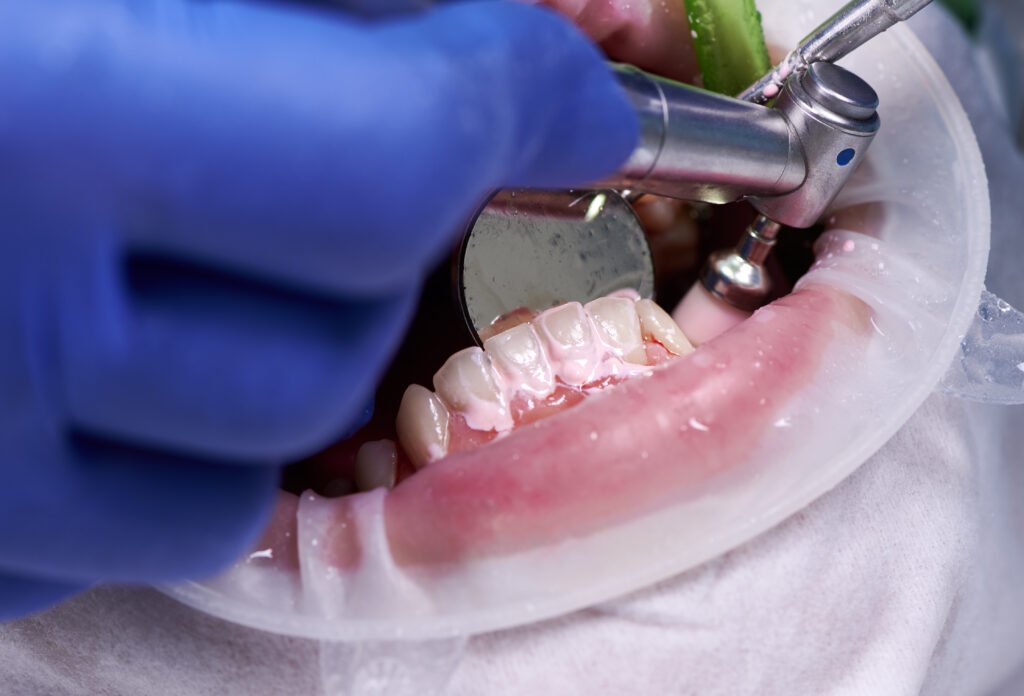
When a surgical extraction may be needed
- Pain, swelling or infection around a wisdom tooth at the back of the mouth
- A wisdom tooth that is stuck (impacted) under the gum or against another tooth
- A tooth that has broken off at or below the gum line
- A tooth with long or curved roots that cannot be removed simply
- Repeated gum infections around a partly erupted tooth
This is the starting fee for wisdom tooth removal in our booking system. Deeply impacted or complex teeth may cost more; your dentist confirms the fee after the X-ray.
What happens during treatment
- Examination and X-rayWe check the position of the tooth, its roots and nearby structures.
- Local anaestheticThe area is numbed before treatment starts.
- Accessing the toothA small opening is made in the gum. Sometimes a little bone is removed or the tooth is divided into pieces so it can come out more easily.
- Removing the toothThe tooth is removed carefully and the area is cleaned.
- Stitches and aftercareStitches may be placed, and you are given written aftercare advice.
Looking after yourself afterwards
- Bite gently on the gauze for the time your dentist advises
- For the first 24 hours avoid rinsing, spitting, hot drinks, drinking through a straw and smoking
- Use a cold compress on the cheek to reduce swelling
- Eat soft food and chew on the other side
- From the next day, rinse gently with warm salt water after meals
- Contact us if bleeding will not stop, you develop a fever, or pain and swelling get worse after two to three days
Frequently asked questions
Do all wisdom teeth need to come out?
No. Wisdom teeth that are healthy, fully erupted and easy to clean can often stay. Removal is usually advised when they cause pain, infection or damage to neighbouring teeth.
How long does recovery take?
Most people feel much better within a few days to a week. Swelling is often greatest on the second or third day and then settles.
Will I need stitches?
Sometimes. Some stitches dissolve on their own, while others are removed at a short review visit.
Can I go to work the next day?
Many people can, especially after a straightforward extraction. After a more complex removal you may want to rest for a day or two.
You may also want to read
Recovering after wisdom tooth removal
Some soreness and swelling is common for the first few days after surgical extraction. A cold compress held against the outside of the cheek can help. Eat soft foods, chew on the other side, and take any medicines exactly as your dentist advises.
- Avoid rinsing hard, spitting or using a straw on the first day, as this can disturb the blood clot.
- Do not smoke, which can slow healing.
- Keep the rest of your mouth clean, and follow your dentist’s advice for the extraction site.
Do all wisdom teeth need to come out?
No. Removal is usually advised when a wisdom tooth is impacted, decayed, repeatedly infected or causing pain. Your dentist decides after an examination and X-ray. If a tooth can be removed with simple instruments, see our page on non-surgical tooth extraction.
Contact us if bleeding will not stop, pain increases after the first few days, or swelling keeps growing.
Wisdom tooth pain? Book an assessment
Your first check-up is free. Zira: Mon–Sat 10 am–6 pm · Fatehgarh Panjtoor: Mon–Sat 9 am–8 pm.
This page gives general information and is not a substitute for an examination. Your dentist will advise whether a treatment is suitable for you and confirm the cost before starting.